Lighting Tips for Outdoor Photography: See the World in Its Best Light

Chosen theme: Lighting Tips for Outdoor Photography. Step into the field with practical, heartfelt guidance that helps you shape, soften, and celebrate natural light. Subscribe, comment, and share your experiments—this community grows brighter with your stories.

Golden Hour vs. Blue Hour

Golden hour wraps subjects with warmth and gentle contrast, perfect for skin tones and texture. Blue hour, cooler and calmer, reveals elegant gradients and city glow. Try both in one outing, then share your favorite results with a caption explaining why.

Reading Clouds and Sky

Clouds act as a giant diffuser, spreading soft, forgiving light that flattens harsh shadows. Broken clouds add drama, spotlighting landscapes with shifting beams. Practice patience: wait ten extra minutes for a gap and capture the transformation, then tell us how it changed your approach.

Direction, Quality, and Color

Front light shows details cleanly, side light sculpts texture, and backlight creates glow and separation. Soft light flatters; hard light energizes. Notice color temperature shifting through the day and set white balance intentionally. Comment with a sample and your chosen Kelvin setting.

Taming Harsh Midday Sun

Step under trees, building overhangs, or even a large friend’s shadow. Open shade evens exposure and softens cheekbones. Balance the background by turning your subject toward the brightest patch of sky. Post your before-and-after shots to show the difference open shade made.

Taming Harsh Midday Sun

A handheld diffuser softens overhead glare, while a black card deepens shadows for shape. Combine both to model faces outdoors without studio gear. Share your setup diagram or a quick phone snapshot of your rig to help others replicate the look easily.
Reflectors and Fill Flash, Simplified

Silver, White, and Gold Reflectors

Silver adds crisp punch, white gives soft lift, and gold warms skin—choose by mood and background light. Angle carefully to avoid squinting. Invite a friend to hold the reflector, then post a portrait showing each variant with notes about what worked best for your scene.

Natural-Looking Fill Flash

Dial flash down so it kisses shadows without announcing itself. Start at minus one or minus two flash exposure compensation. Feather the light slightly off-axis. Share a short story about your first successful outdoor fill shot and what clicked in your understanding that day.
Position the sun just behind the subject’s shoulder to create a glowing outline. Use a lens hood and hand flag to tame flare. Add gentle fill to keep eyes alive. Share a rim-lit portrait and the angle you chose to preserve detail while keeping the glow intact.

Weather as Your Light Modifier

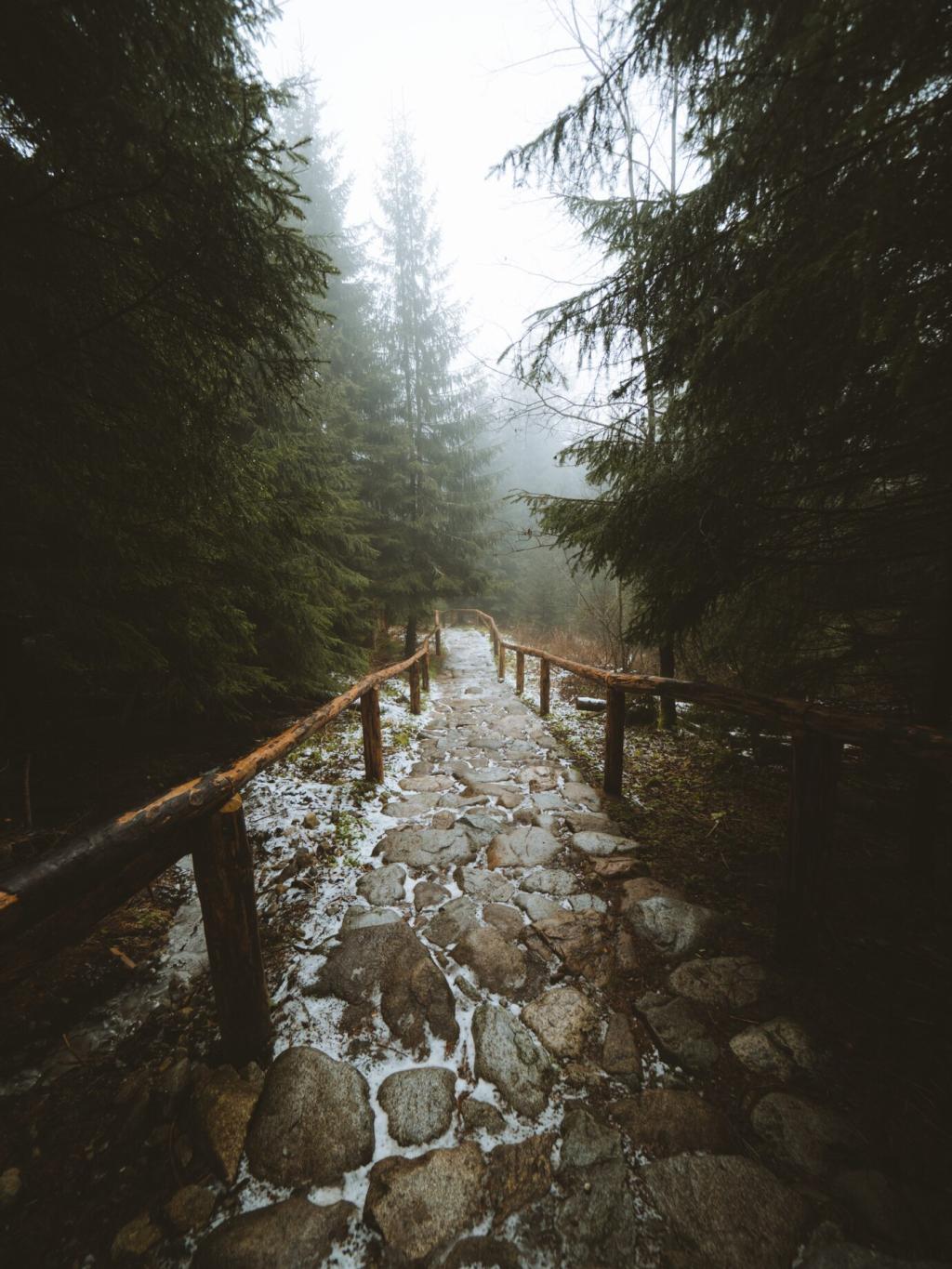
Fog reduces contrast, stretching distance into soft layers, while overcast acts like a giant softbox. Perfect for emotional portraits and subtle landscapes. Share a foggy frame and the exposure compensation you used to avoid gray mush while preserving the scene’s delicate quiet.

Weather as Your Light Modifier

After rain, streets mirror the sky, doubling color and light. Shoot low for glimmering bokeh from distant lamps. Pack a microfiber cloth and a small umbrella. Post your shiniest puddle shot and one lesson you learned about protecting gear without missing the moment.

Planning Light for Landscapes

01
Use sun-path tools to predict angles, then walk the terrain to find foreground anchors. Mark viewpoints and safe footing. Ask readers which apps they rely on and invite them to drop a pin for a favorite sunrise spot that rewards patience and persistence.
02
Graduated ND filters tame bright skies, while bracketing preserves dynamic range for natural blends. Keep transitions subtle to avoid a processed look. Share a landscape before-and-after with your filter choice or bracket set, plus why you picked that method for the scene.
03
Instead of forcing a preconceived frame, watch where light lands and build around that highlight. Shift your stance, include leading lines, and simplify distractions. Post two compositions from the same place and ask which one your audience feels best honors the light’s character.
Lepachamorlaix
Privacy Overview

This website uses cookies so that we can provide you with the best user experience possible. Cookie information is stored in your browser and performs functions such as recognising you when you return to our website and helping our team to understand which sections of the website you find most interesting and useful.