
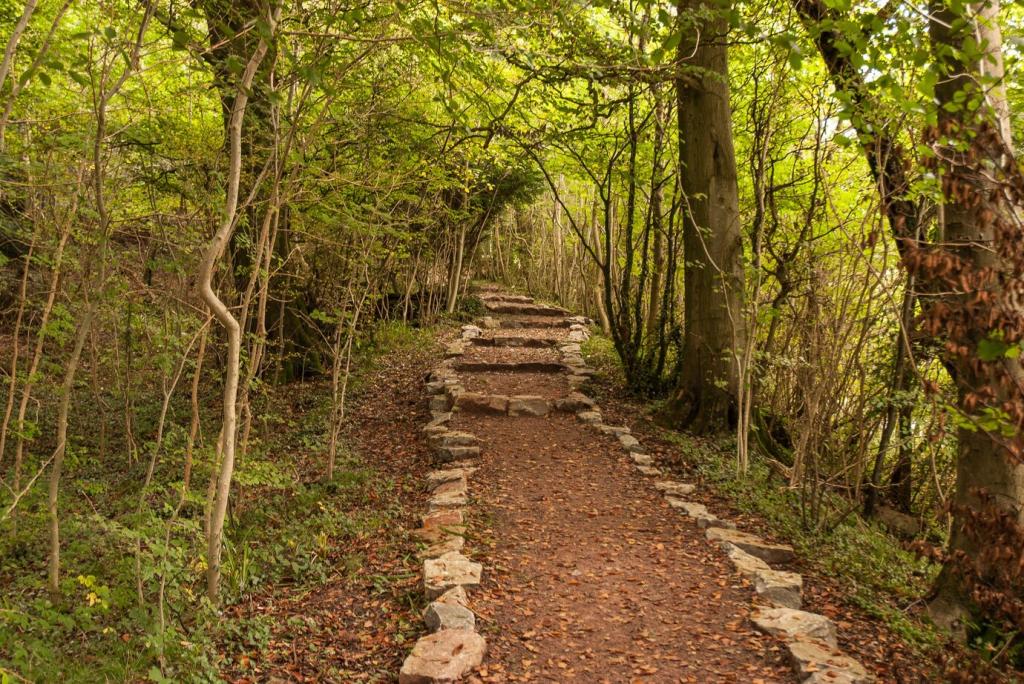
Creative Composition for Nature Photography

This edition’s chosen theme is Creative Composition for Nature Photography. Step into the field with a fresh eye, discover new ways to arrange the wild within your frame, and learn how bold choices transform ordinary scenes into unforgettable images. If a tip sparks an idea, share your thoughts and subscribe for more field-tested inspiration.

Guiding Lines: Turning Trails, Rivers, and Branches into Visual Pathways

Look for footpaths carving through grass, driftwood pointing to the horizon, or rock seams slicing across a tidepool. On a foggy morning, I followed a serpentine stream that pulled the viewer’s eye straight to a lone birch. Try it, then tell us what natural lines you discover.

Balancing Elements on the Grid

Place a mountain peak on an upper third and a reflective lake along the lower third to create harmony. Try offsetting the most textured element, then tell us which balance feels truer to your scene’s character.

Centering with Purpose

Center a symmetrical cedar or a mirrored reflection to amplify serenity and power. I once centered a lone heron in heavy fog; the stillness became the subject itself. Share a centered composition and describe the feeling it creates.

Breaking the Rules, Not the Photo

When breaking the rule of thirds, replace it with intent: symmetry, leading lines, or negative space. If your choice serves story and emotion, it is the right choice. Post your boldest rule break and invite critique from our community.
Foreground Anchors That Invite Touch
Kneel low and place moss, wildflowers, or patterned stones near the lens to add texture and dimension. A tiny fern once filled my foreground and made a distant waterfall feel grander. Try it, then share a before-and-after pair.
Midground as the Story Bridge
Use a winding boardwalk or sunlit meadow as a natural bridge between front and back. The midground keeps a viewer moving. Tag us with a shot where your midground carries the narrative across the frame.
Backgrounds That Reward a Second Look
Distant peaks, storm clouds, or a subtle shoreline should complement, not compete. Squint to assess competing shapes; simplify until the background supports your subject. Comment with your favorite trick for taming busy backdrops.

Negative Space: Letting the Landscape Breathe

Place a solitary pine against a broad field of overcast sky. The quiet expanse makes the tree’s character speak louder. Try a minimalist frame today and tell us how the mood shifts when you remove visual noise.

Negative Space: Letting the Landscape Breathe

Atmospheric conditions simplify clutter and add poetry. A heron emerging from mist gained a mythic presence in my frame. Share a weather-made minimalist moment and subscribe for our seasonal composition checklist.
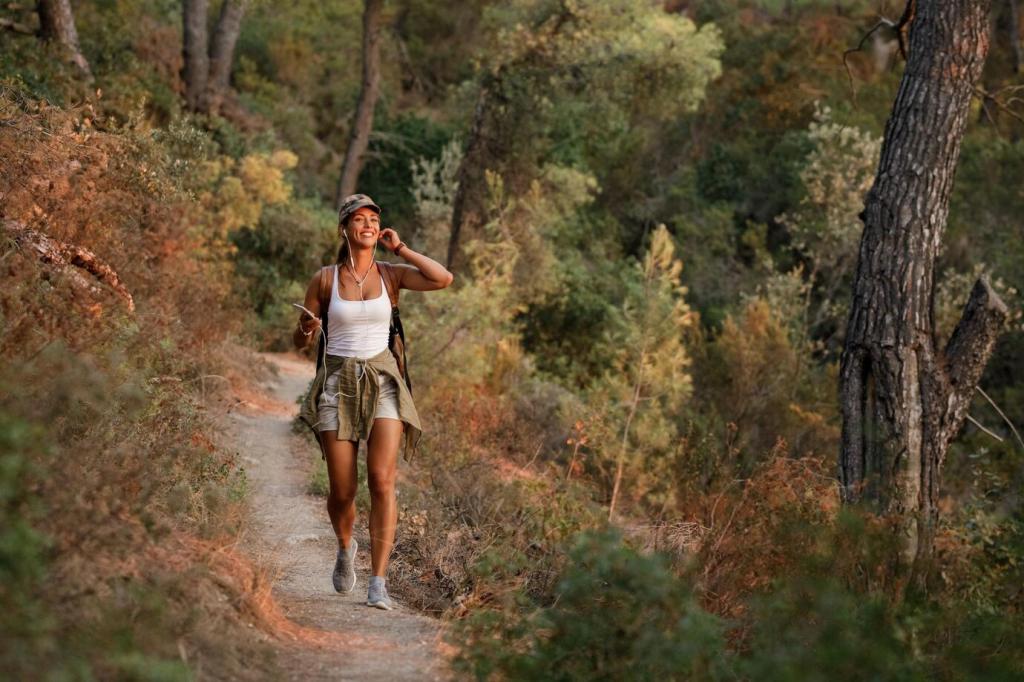
Light as a Compositional Tool: Shadows, Silhouettes, and Direction

Early or late sunlight rakes across bark, dune ripples, and rocky lichen, revealing depth with gentle shadow. Move three steps left or right and watch structure appear. Share a textured detail that came alive at golden hour.
Turn into the sun to outline grasses, insects, or tree crowns with luminous halos. A backlit dragonfly once became a delicate geometric study. Try it safely, then comment with your favorite backlight subject.
When clouds break, a wandering sunbeam can become your focal tool. Frame your subject within that temporary glow and let the rest fall into gentle shadow. Subscribe to get our quick checklist for fast-changing light.

Color, Contrast, and Visual Rhythm

Complementary Colors That Pop

Pair blue glacial water with orange larches, or purple heather against green moss. The complementary tension adds energy. Share a shot where color contrast did the storytelling for you.

Monochrome for Shape and Mood

When colors distract, switch to black and white to emphasize lines, patterns, and light. A rainy coastline transformed into a moody study once I removed color. Post your strongest monochrome landscape and explain why it works.

Repetition and Pattern as a Beat

Ferns spiraling, shells in tide patterns, or waves in repeating sets create a visual beat. Break the pattern with a single contrasting subject for emphasis. Invite readers to guess your focal point before revealing it.
Use arching branches, cave mouths, or canyon walls to frame your subject. I once used frost-fringed grass to frame a sunrise, turning cold into warmth. Share a natural frame you discovered unexpectedly.
Lepachamorlaix
Privacy Overview

This website uses cookies so that we can provide you with the best user experience possible. Cookie information is stored in your browser and performs functions such as recognising you when you return to our website and helping our team to understand which sections of the website you find most interesting and useful.