Capturing Wildlife on Hiking Trails

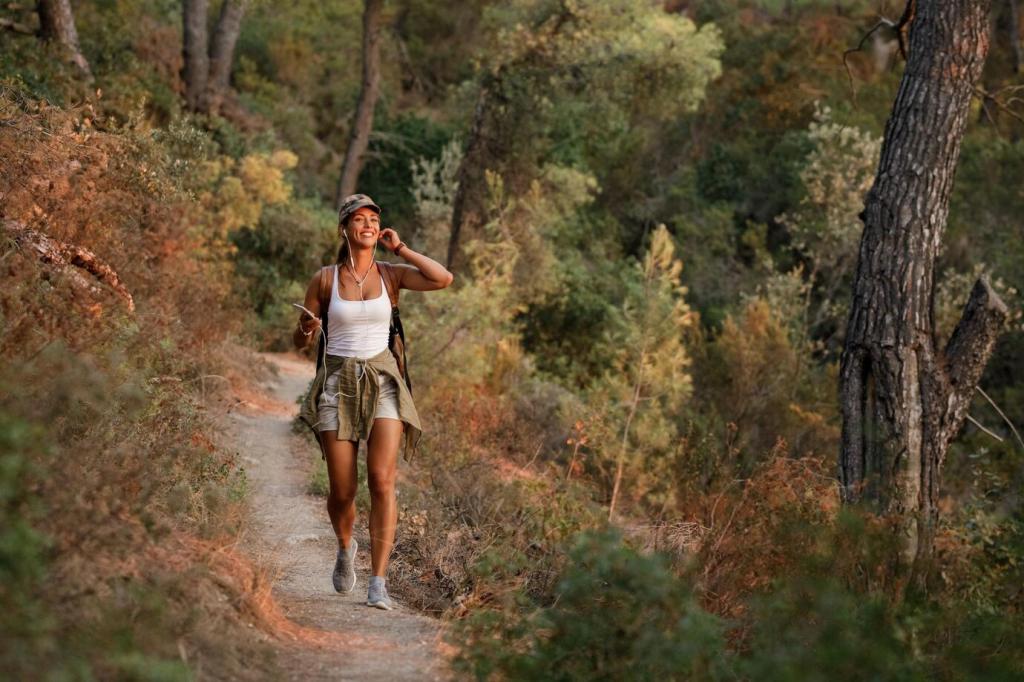
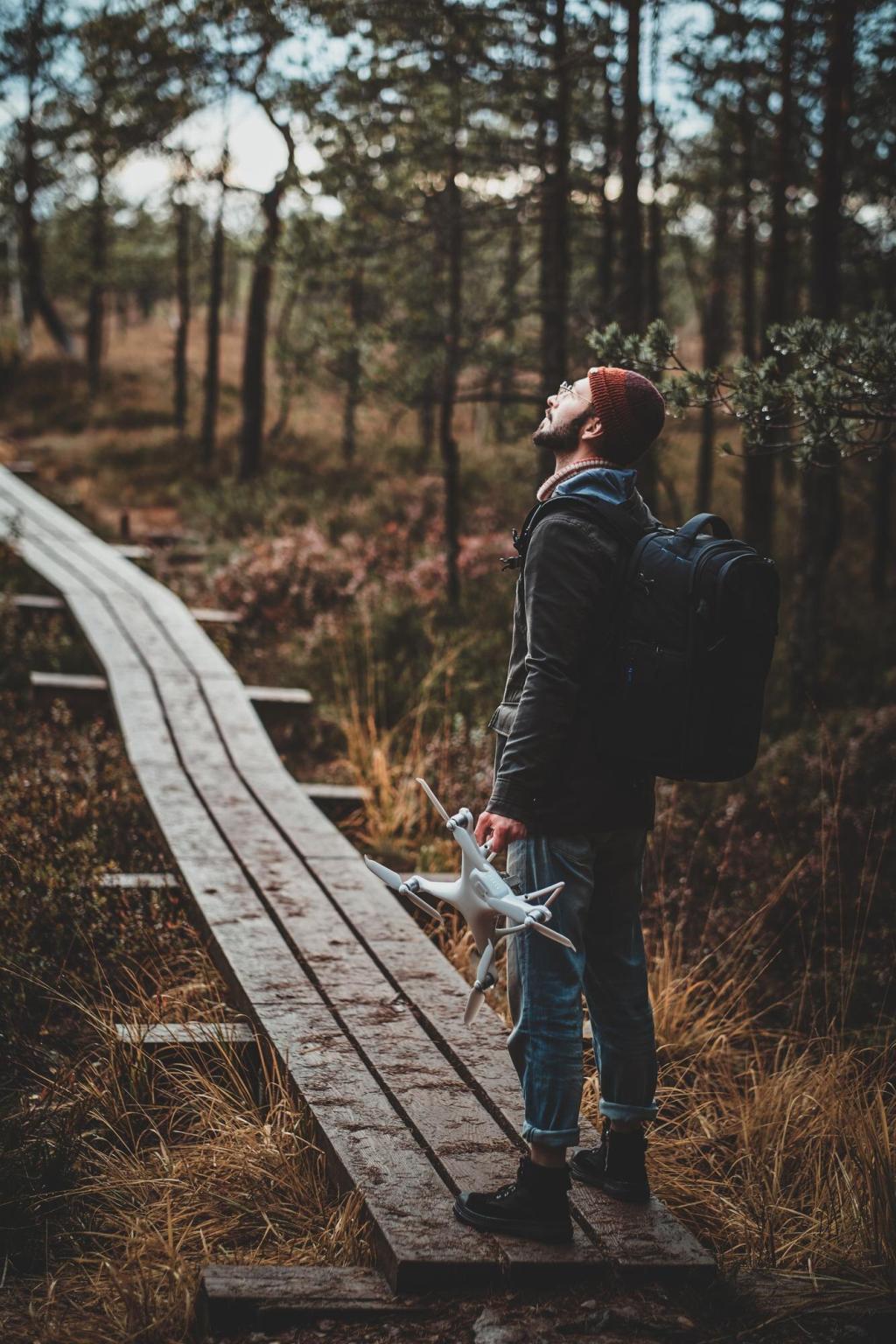
Chosen theme: Capturing Wildlife on Hiking Trails. Step onto the path with a patient heart, a light pack, and eyes tuned to movement at the edges. Join our trail-loving community—comment with your favorite local path and subscribe for fresh fieldcraft stories.

Dawn and Dusk Windows

Most trail wildlife moves at dawn and dusk when light is low and the air grows still. Plan your hikes to greet first light, and let amber tones help you capture calm, natural behavior without pressure or intrusion.

Wind, Scent, and Silence

Stay downwind so your scent drifts away from wary noses, and match your steps to the forest’s rhythm. Quiet fabrics, controlled breathing, and deliberate pauses reduce noise, helping you witness moments most hikers never notice.

Trails as Gentle Corridors

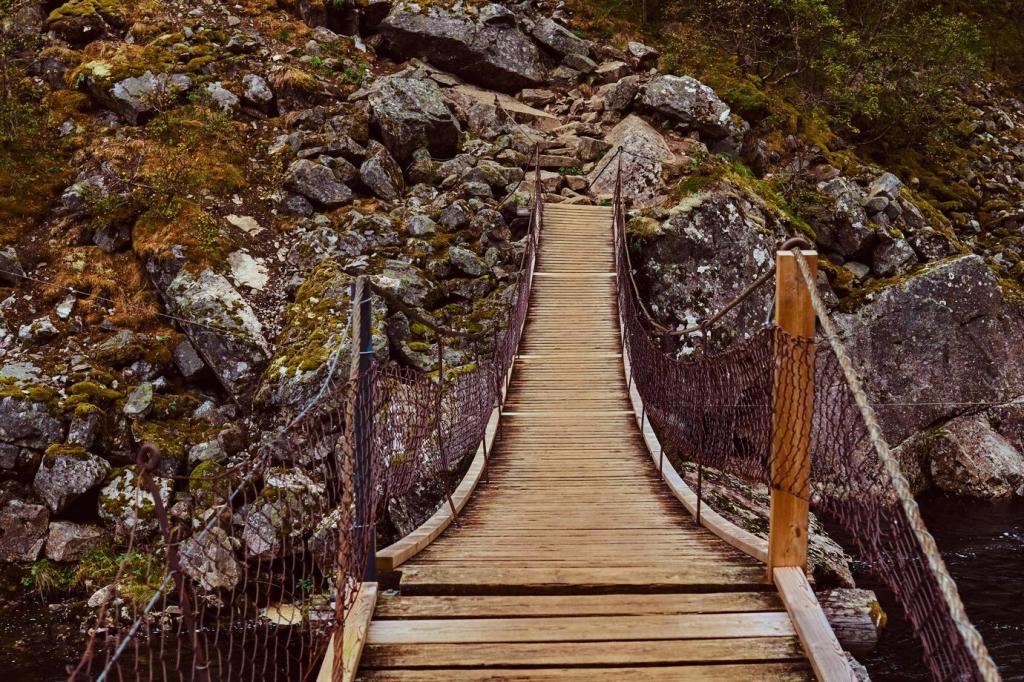
Many animals edge along paths for easy movement, especially after rain or snow. If you spot one approaching, step aside and kneel low, yielding space. You might earn a trusting glance worth a lifetime of pixels and memory.

Pack Light, Shoot Smart: Trail-Ready Gear

A compact 300mm or 400mm lens lets you keep space while filling the frame. Add a 1.4× teleconverter for reach, and rely on careful cropping later. Staying back keeps animals relaxed and your images beautifully authentic.

Pack Light, Shoot Smart: Trail-Ready Gear

Use a silent electronic shutter, in-body stabilization, and a quick-release strap for fast access. A trekking pole that converts to a monopod steadies longer lenses. Back-button focus prevents hunting when a fox suddenly appears between saplings.


Leave No Trace with a Lens

Never bait, chase, or use calls near nests or dens. Respect closures and sensitive habitats, and avoid precise geotags for vulnerable species. Share responsibly so curiosity never becomes pressure on the very lives we celebrate.

The Patience Ritual

Once, I waited forty quiet minutes at a shaded switchback where vole tunnels crossed the dust. A red fox finally ghosted through, unhurried and curious. Patience didn’t just deliver a shot; it earned a story worth telling.

Safe Distances by Species

Keep at least 25 yards from deer and elk, and 100 yards from bears or predators. If an animal changes direction, stares, or stops feeding, you are too close. Please back away, share the lesson, and comment with your own guidelines.

Light, Composition, and Story in the Wild

01

Backlight Magic

Shoot into low sun to rim backlit fur and whiskers with gold. Use spot metering and ride negative exposure compensation to protect highlights. Let dappled light sculpt shape, turning a fleeting encounter into something gently luminous.
02

Eyes in Focus, Breath in Rhythm

Switch to continuous autofocus, place a single point on the nearest eye, and brace your elbows against your ribs. Short bursts at a safe distance reveal expressions that feel intimate yet respectful, anchored by focus where connection lives.
03

Context Tells the Whole Story

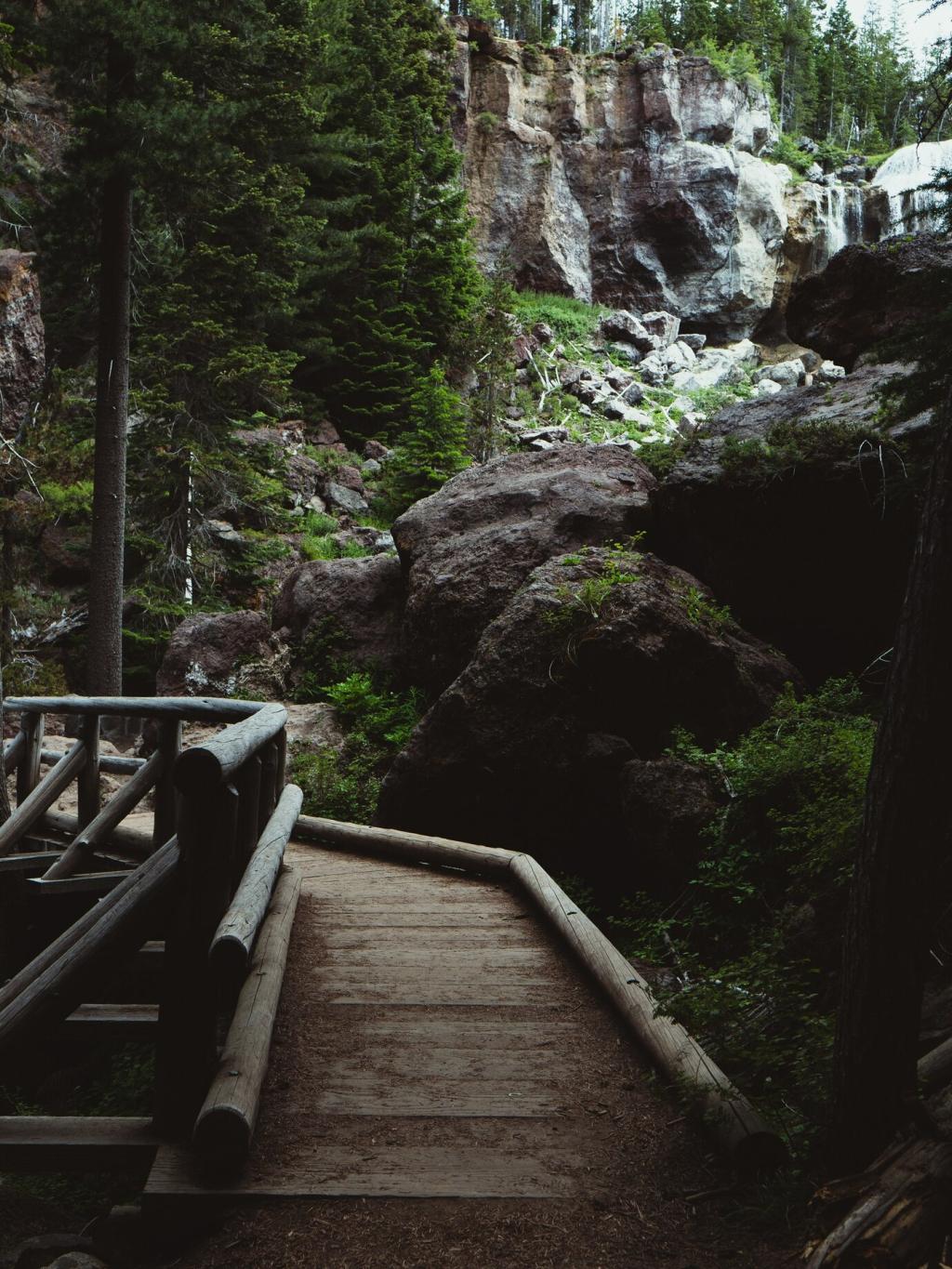
Include the trail curve, the mossy log, or distant ridgeline so place and behavior speak together. Leading lines invite viewers to walk into the frame. Share your most layered trail composition in the comments and inspire someone’s next hike.

On-the-Trail Workflow and Safety

Create action and still presets before you leave home. One for flight or sprinting subjects with fast shutter, one for quiet portraits with lower ISO. Switch without thinking when a bird lifts or a hare pauses.

On-the-Trail Workflow and Safety

Star favorites in-camera and record brief voice notes about behavior or weather. Back up to a small phone-connected SSD during snack breaks. Later, your captions will carry facts, feeling, and context that deepen your trail story.

Share, Learn, and Contribute

Log sightings on iNaturalist or eBird with cautious locations for sensitive species. Add notes about behavior and habitat. Your careful records help researchers understand movement patterns without exposing nests, dens, or fragile spaces.

Share, Learn, and Contribute

This week’s challenge: a three-frame sequence showing approach, behavior, and respectful exit. Post your trio and lessons learned in the comments. Subscribe to get next week’s prompt and see your peers’ inventive trail solutions.
Lepachamorlaix
Privacy Overview

This website uses cookies so that we can provide you with the best user experience possible. Cookie information is stored in your browser and performs functions such as recognising you when you return to our website and helping our team to understand which sections of the website you find most interesting and useful.